
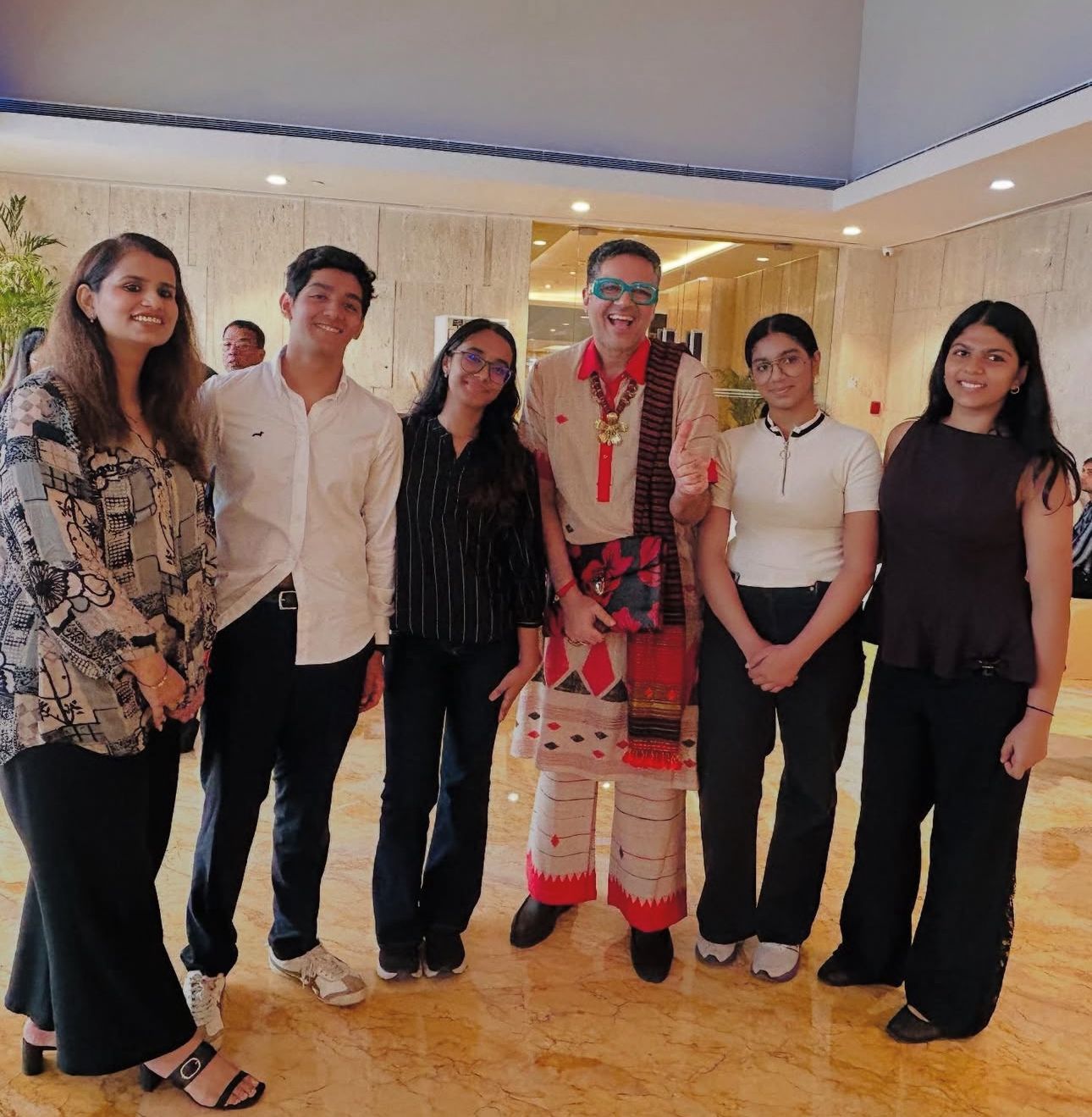
The Queering the Law: Beyond Supriyo summit, held on July 12, 2025, at The LaLiT Suri Hotel in New Delhi, was a landmark policy event jointly organized by the Vidhi Centre for Legal Policy and the Keshav Suri Foundation (KSF). The summit was a direct response to the 2023 Supreme Court verdict in Supriyo v. Union of India, which denied marriage equality but directed the formation of a High-Powered Committee to investigate discrimination faced by queer individuals across the country.
Informed by extensive public consultations with over 150 stakeholders—including queer activists, lawyers, academics, and civil society members—the summit saw the release of four comprehensive policy briefs under the initiative titled Queering the Law: Beyond Supriyo. Each brief focused on a critical area requiring legal and structural reform to ensure dignity, equality, and justice for LGBTQIA+ individuals in India.
1. Recognition of Queer Relationships and Families
This brief advocates for the legal recognition of diverse queer relationships and family structures.
• Part A recommends inclusive legal definitions of relationships and family.
• Part B suggests reforms in adoption laws and parenthood recognition to embrace queer and non-traditional families.
2. Discrimination in Access to Goods and Services
This brief addresses systemic discrimination and proposes broad as well as sector-specific legal reforms.
• Part A calls for a comprehensive anti-discrimination law and revision of the Transgender Persons (Protection of Rights) Act, 2019.
• Part B recommends affirmative and protective actions in housing, education, employment, and financial services.
3. Queer Affirmative Healthcare
The healthcare brief offers a framework to eliminate discrimination and embed inclusivity within the healthcare system.
• Proposals include banning conversion therapy, ending non-consensual surgeries on intersex children, increasing access to gender-affirming care, and strengthening mental health services.
• It also suggests systemic measures such as queer-inclusive health laws, improved medical training, and horizontal reservations in public healthcare.
4. Prohibition of and Rehabilitation from Violence
This brief documents the violence queer individuals face from the state, society, and within families.
• It proposes police reforms, sensitisation, and legal amendments to better protect queer people from domestic, sexual, and workplace violence.
• Affirmative actions include dedicated helplines, safe shelter homes, and structured rehabilitation support.
Objective and Impact
The overarching goal of these briefs is to guide legislative and policy reform at both central and state levels. By offering specific, actionable recommendations, the initiative supports queer civil society in advocating for meaningful, rights-based governance that reflects lived experiences and intersectional realities.
The summit also featured a series of panel discussions and networking sessions, engaging experts, activists, and policymakers in dialogue on next steps toward institutional inclusion and justice. It was a crucial step in building momentum for a queer-inclusive legal framework in India—moving the conversation beyond decriminalisation toward full equality and recognition.
Leave a Reply